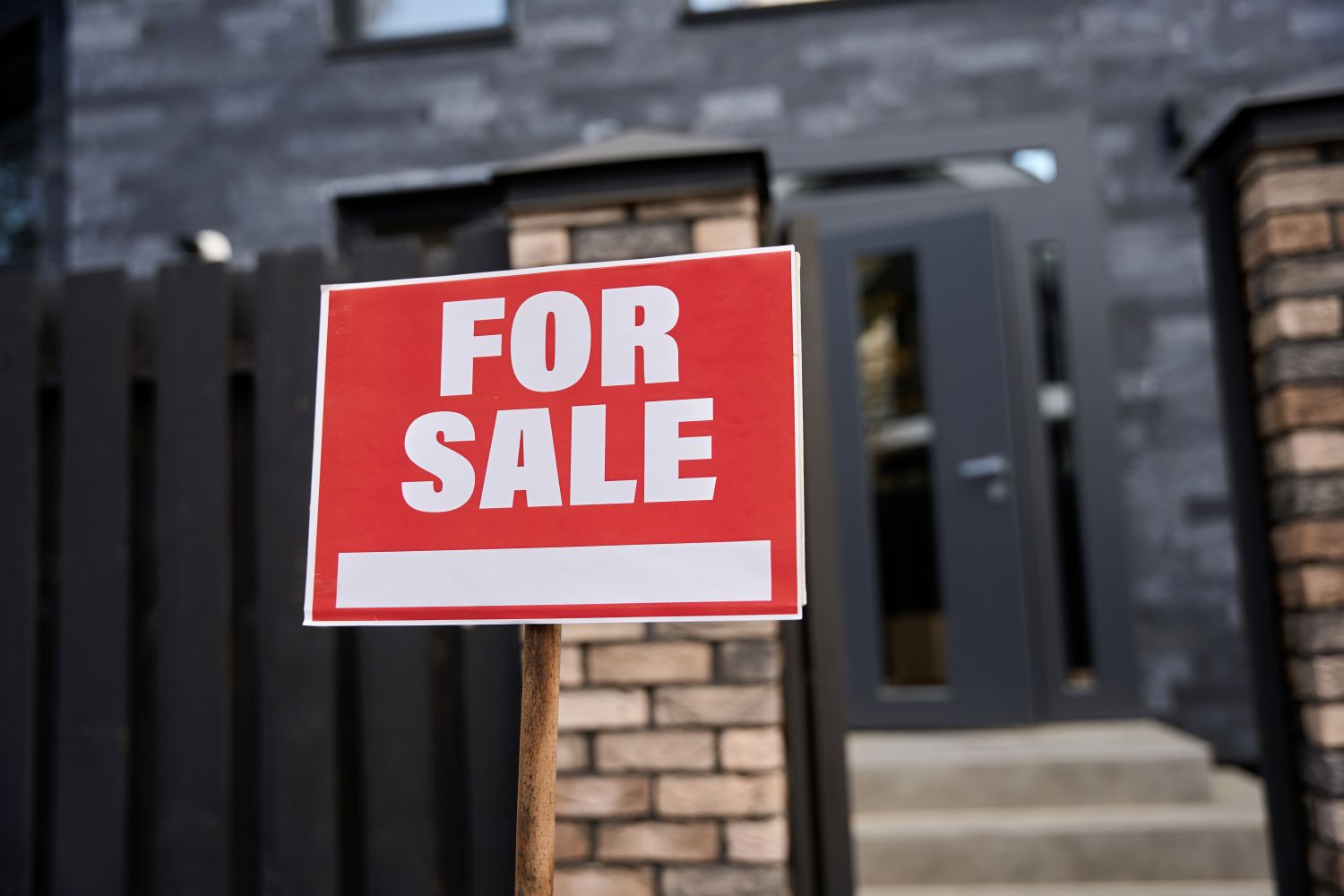
Purchasing a home is one of the most significant financial decisions many people will make in their lives. For first-time homebuyers, the process can be both exciting and daunting. However, with careful planning and the right knowledge, it can also be a smooth and rewarding experience. This beginner’s blueprint outlines the essential steps and considerations to help you navigate the home buying process successfully.
1. Assess Your Readiness
A. Financial Health
Before diving into the housing market, evaluate your financial situation. Consider the following:
- Credit Score: Check your credit score, as it plays a crucial role in mortgage approval and interest rates. Aim for a score of 620 or higher for most conventional loans.
- Debt-to-Income Ratio: Calculate your debt-to-income (DTI) ratio, which should ideally be below 43%. This ratio compares your monthly debt payments to your gross monthly income.
B. Savings for a Down Payment
Determine how much you can afford for a down payment. While conventional wisdom suggests saving 20% of the home’s price, many programs offer options for lower down payments. Assess your savings and explore available assistance programs for first-time buyers.
2. Define Your Home Buying Goals
A. Identify Your Needs and Wants
Create a list of must-haves and nice-to-haves for your future home. Consider factors such as:
- Location: Proximity to work, schools, amenities, and public transportation.
- Size: Number of bedrooms and bathrooms, as well as overall square footage.
- Type of Home: Decide if you prefer a single-family home, townhouse, or condominium.
B. Set a Budget
Establish a realistic budget that includes not only the purchase price but also ongoing costs such as property taxes, homeowners insurance, maintenance, and utilities. Use mortgage calculators to estimate monthly payments based on different price points and interest rates.
3. Research the Market
A. Understand Local Real Estate Trends
Research the housing market in your desired area. Look at recent sales, average home prices, and the time homes spend on the market. This information can help you make informed decisions and identify fair offers.
B. Explore Neighborhoods
Visit potential neighborhoods to get a feel for the community. Consider factors such as safety, amenities, schools, and future development plans. Engaging with local residents can provide valuable insights into the area.
4. Assemble Your Team
A. Real Estate Agent
Finding a knowledgeable real estate agent can make the home buying process smoother. Look for an agent who:
- Has experience in your desired area.
- Understands your needs and preferences.
- Is responsive and communicates effectively.
B. Mortgage Lender
Choose a reputable mortgage lender to help you understand your financing options. Compare rates and terms from multiple lenders and get pre-approved for a mortgage to strengthen your position when making an offer.
5. Start the Home Search
A. Use Online Resources
Utilize online platforms such as Zillow, Realtor.com, and local listings to browse available homes. Set filters based on your criteria to streamline your search.
B. Attend Open Houses
Visiting open houses allows you to explore potential homes in person. Take notes on what you like and dislike about each property, and don’t hesitate to ask questions.
6. Make an Offer
A. Crafting Your Offer
Once you’ve found a home you love, work with your real estate agent to craft a competitive offer. Consider the following:
- Offer Price: Base your offer on market research, comparable sales, and the condition of the home.
- Contingencies: Include contingencies for home inspections, financing, and appraisals to protect yourself during the purchase process.
B. Negotiation
Be prepared for negotiations. The seller may counter your offer, so work with your agent to determine your limits and respond appropriately.
7. Complete the Purchase Process
A. Home Inspection
After your offer is accepted, schedule a home inspection to identify any potential issues. This step is crucial for uncovering hidden problems that may require repairs.
B. Finalizing the Mortgage
Provide the necessary documentation to your lender to finalize the mortgage. This may include income verification, tax returns, and other financial statements.
C. Closing the Deal
Attend the closing meeting to finalize the purchase. You’ll review and sign various documents, settle closing costs, and receive the keys to your new home.
8. Move In and Enjoy
A. Plan Your Move
Once the purchase is complete, plan your move efficiently. Create a checklist of tasks, such as hiring movers, packing, and setting up utilities.
B. Personalize Your Home
After moving in, take the time to personalize your space. Decorate, arrange furniture, and make updates that reflect your style and preferences.
Conclusion
Buying a home for the first time can be an exciting yet challenging journey. By following this blueprint, you can navigate the complexities of the home buying process with confidence. From assessing your readiness and setting a budget to researching the market and assembling a reliable team, each step plays a crucial role in achieving your goal of homeownership. With careful planning and informed decision-making, you can find the perfect home that meets your needs and enhances your lifestyle. Happy house hunting!