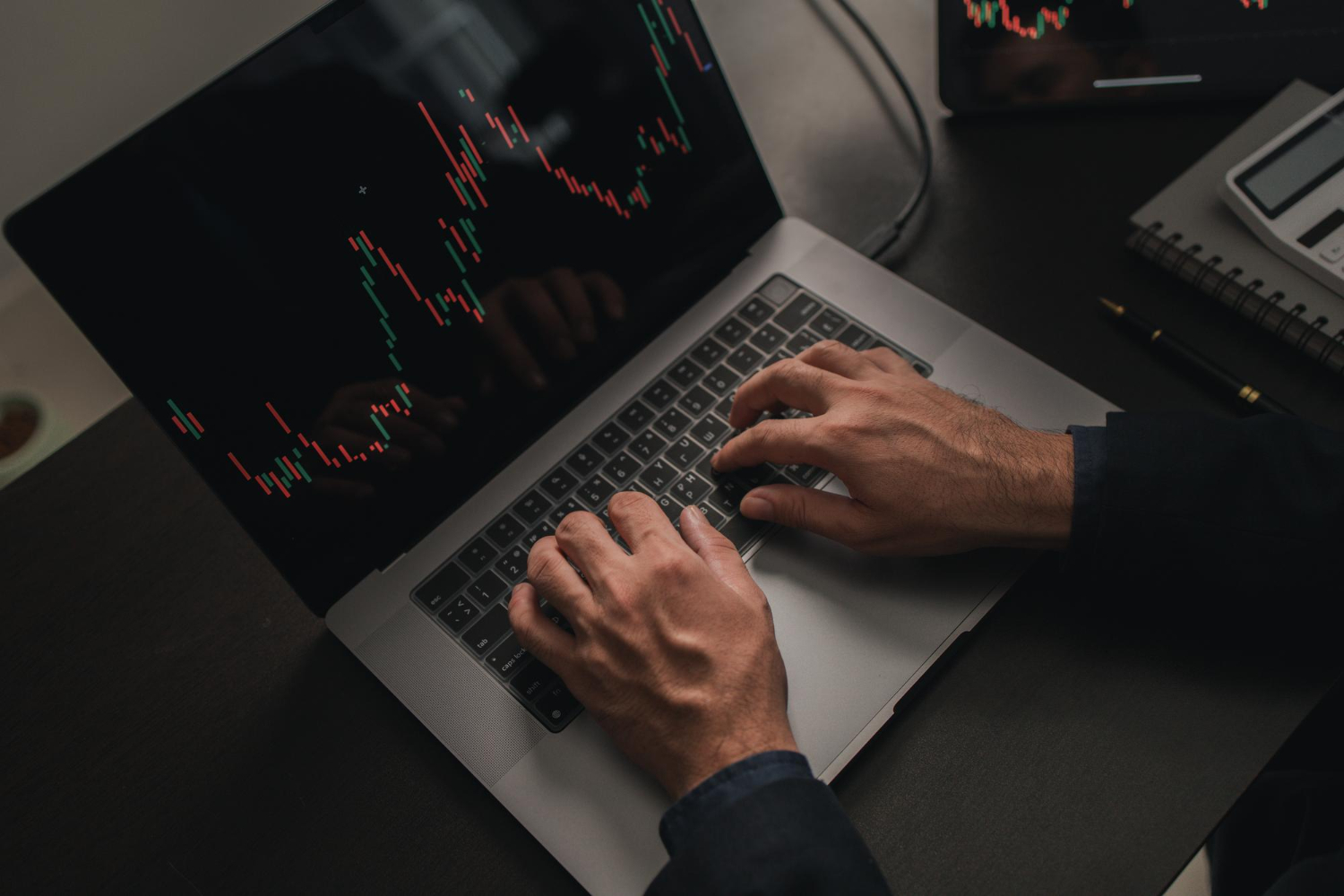

The Forex trading community in the Philippines is growing rapidly, attracting both seasoned traders and newcomers eager to participate in the global currency markets. To thrive in this dynamic environment, traders must adopt effective strategies that align with their goals and risk tolerance. This article outlines key strategies for succeeding in the Philippines’ Forex trading community, equipping traders with the tools they need to navigate the complexities of the market.
1. Educate Yourself Continuously
Understanding Market Fundamentals
A solid understanding of Forex market fundamentals is essential for success. Traders should familiarize themselves with key concepts such as currency pairs, pips, leverage, margin, and economic indicators.
Utilize Educational Resources
Take advantage of the educational resources available in the market. Many brokers and trading platforms offer webinars, tutorials, and articles that cover various aspects of Forex trading. Join online forums and communities where traders share insights and experiences, enhancing your learning experience.
2. Develop a Trading Plan
Set Clear Goals
Before entering the market, define your trading goals. Are you looking for short-term gains or long-term investments? Understanding your objectives will help shape your trading strategies.
Outline Your Strategy
Your trading plan should detail your approach, including specific strategies, risk management techniques, and criteria for entering and exiting trades. This structured approach will help you stay disciplined and focused, reducing the likelihood of emotional decision-making.
3. Implement Effective Risk Management
Determine Risk Tolerance
Assess how much capital you are willing to risk on each trade. A common guideline is to risk no more than 1-2% of your total trading capital on a single trade. This approach protects your account from significant drawdowns.
Use Stop Loss and Take Profit Orders
Implement stop loss and take profit orders to automate your exit strategy. A stop loss limits potential losses, while a take profit order secures profits when the price reaches a predetermined level. This risk management strategy helps you maintain control over your trades.
4. Stay Informed About Market Trends
Monitor Economic Indicators
Economic data releases, geopolitical events, and central bank policies can significantly impact currency prices. Keep an eye on economic calendars to stay informed about upcoming announcements that may affect your trades.
Follow Market News
Stay updated with the latest market news and trends. Subscribe to financial news platforms, follow analysts on social media, and participate in trading discussions to gain insights into market movements.
5. Choose the Right Broker
Regulation and Reputation
Select a broker that is regulated by the Securities and Exchange Commission (SEC) or the Bangko Sentral ng Pilipinas (BSP). A reputable broker provides a secure trading environment and adheres to industry standards.
Trading Platform and Tools
Evaluate the trading platform offered by the broker. Look for user-friendly interfaces, advanced charting tools, and features that align with your trading style. A robust platform can significantly enhance your trading experience.
6. Practice with a Demo Account
Familiarize Yourself with the Platform
Before trading with real money, consider using a demo account offered by most brokers. This allows you to practice trading strategies, test the platform, and gain confidence without risking your capital.
Experiment with Strategies
A demo account provides an opportunity to experiment with different trading strategies and risk management techniques. Use this time to refine your approach before transitioning to live trading.
7. Network with Other Traders
Join Trading Communities
Engage with other traders in the Philippines by joining online forums, social media groups, and local trading clubs. Networking with peers allows you to share experiences, learn from others, and gain insights into different trading strategies.
Participate in Workshops and Seminars
Attend workshops and seminars offered by brokers or financial institutions to deepen your understanding of Forex trading. These events provide valuable opportunities to learn from experienced traders and industry experts.
8. Maintain a Trading Journal
Track Your Performance
Keep a trading Forex journal to document your trades, strategies, and outcomes. Analyzing your performance helps you identify patterns, strengths, and weaknesses, enabling you to refine your trading approach over time.
Learn from Mistakes
Reviewing your journal allows you to learn from both successful and unsuccessful trades. Understanding what worked and what didn’t can help you avoid repeating mistakes and improve your overall trading strategy.
Conclusion
Succeeding in the Philippine Forex trading community requires a combination of education, discipline, and effective strategies. By continuously educating yourself, developing a solid trading plan, implementing risk management techniques, and staying informed about market trends, you can navigate the complexities of the Forex market with confidence.
Engaging with the trading community, practicing with a demo account, and maintaining a trading journal will further enhance your skills and knowledge. As you embark on your trading journey, remember that success in Forex trading is not just about making profits; it’s about cultivating a disciplined approach and being adaptable to the ever-changing market landscape. With the right strategies in place, you can thrive in the exciting world of Forex trading in the Philippines.